

RevenueOps for EdTech Founders
If enrollment looks healthy but revenue quality still feels slippery, this is your page.
You need admissions, activation, retention, and enterprise pipeline logic working as one system, not four disconnected reports.
EdTech operating lens
Can you see where admissions turns into revenue quality?
If applications, activation, retention, and enterprise learning revenue are still managed in separate languages, the forecast is already weaker than it looks.
- If you cannot trace the handoff from application to activation, you cannot trust the topline story.
- If segment economics are blended, you will invest behind the wrong growth path.

In EdTech, volume is not the same thing as durable revenue.
Proof founders can use
This pressure usually shows up before enrollment volume admits it.
When admissions, activation, and segment economics are still speaking different languages, the topline can look healthy while the real revenue story weakens underneath it.
What changes
The growth story stops leaning on blended averages.
Once admissions handoffs, activation rules, and segment economics are reviewed together, you can see which growth path is durable and which one only looks good in aggregate.
Sector translation
Fix enrollment leakage, activation drift, and forecast trust in one RevenueOps audit.
Use one RevenueOps audit to tighten admissions handoffs, segment economics, learner activation, enterprise pipeline quality, and planning discipline.
Commercial questions route through the audit desk. Response < 1 business day.
Where EdTech usually loses quality
- Are CAC, LTV, and payback still blended across segments?
- Are activation and retention still reported after the revenue story is already told?
- Are enterprise learning handoffs still too slow to trust the forecast?
- Are you still planning from application volume instead of revenue durability?
Segment economics
Can you defend which segment deserves more capital?
If channel, segment, and product economics still blur together, you are making growth decisions without enough proof.
- If activation is weak, application growth can still hide the real revenue problem.
- If renewals and persistence sit outside planning, the forecast is missing the real driver.
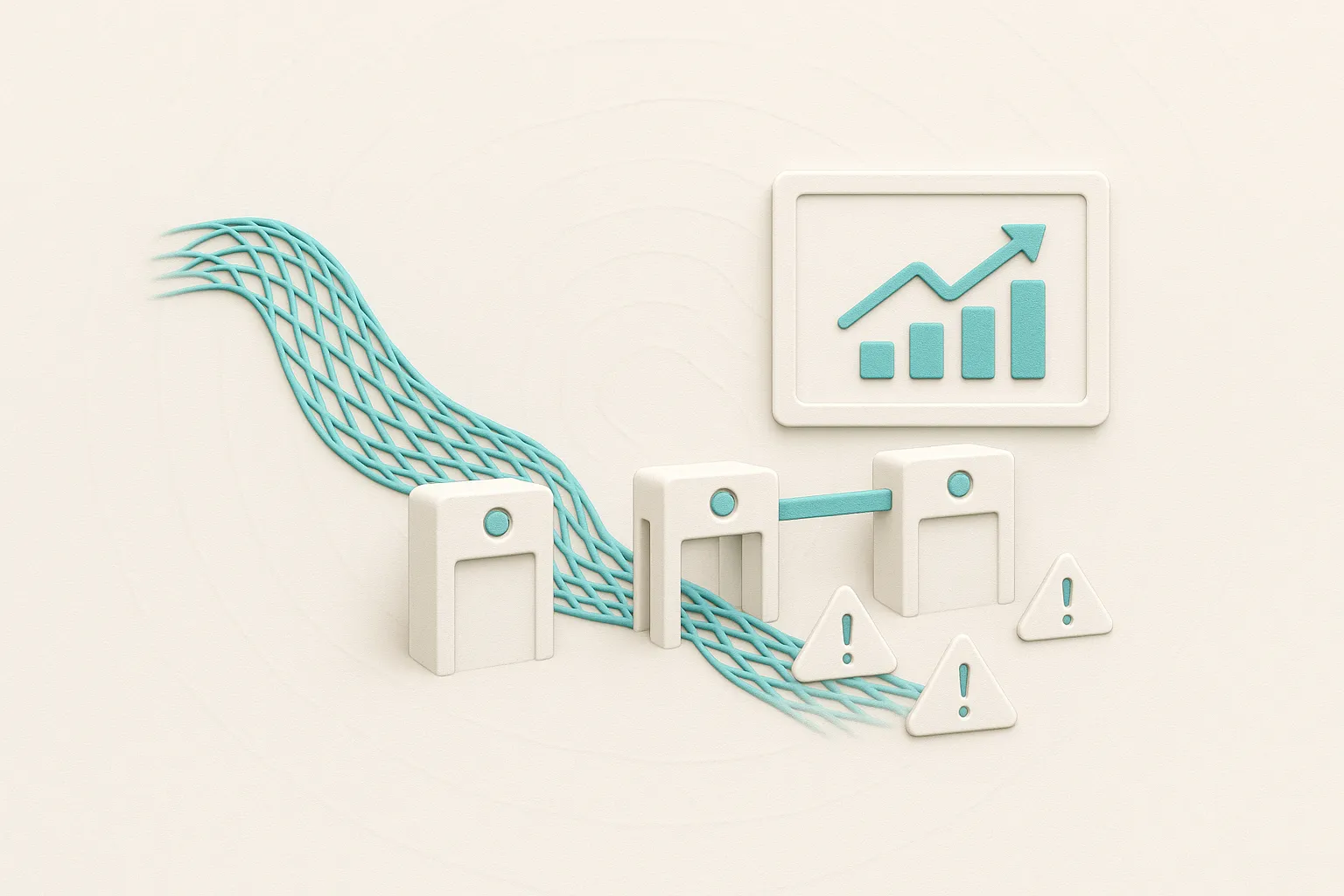
You need segment-level proof before the board asks why one growth path deserves more confidence.
Board defense
Can you prove that growth quality is improving, not just volume?
You do not need prettier dashboards. You need evidence about which segments convert cleanly, activate well, and stay durable enough to matter.
- This is where RevenueOps becomes an enterprise-value conversation.
- You are defending quality, not just pipeline volume.
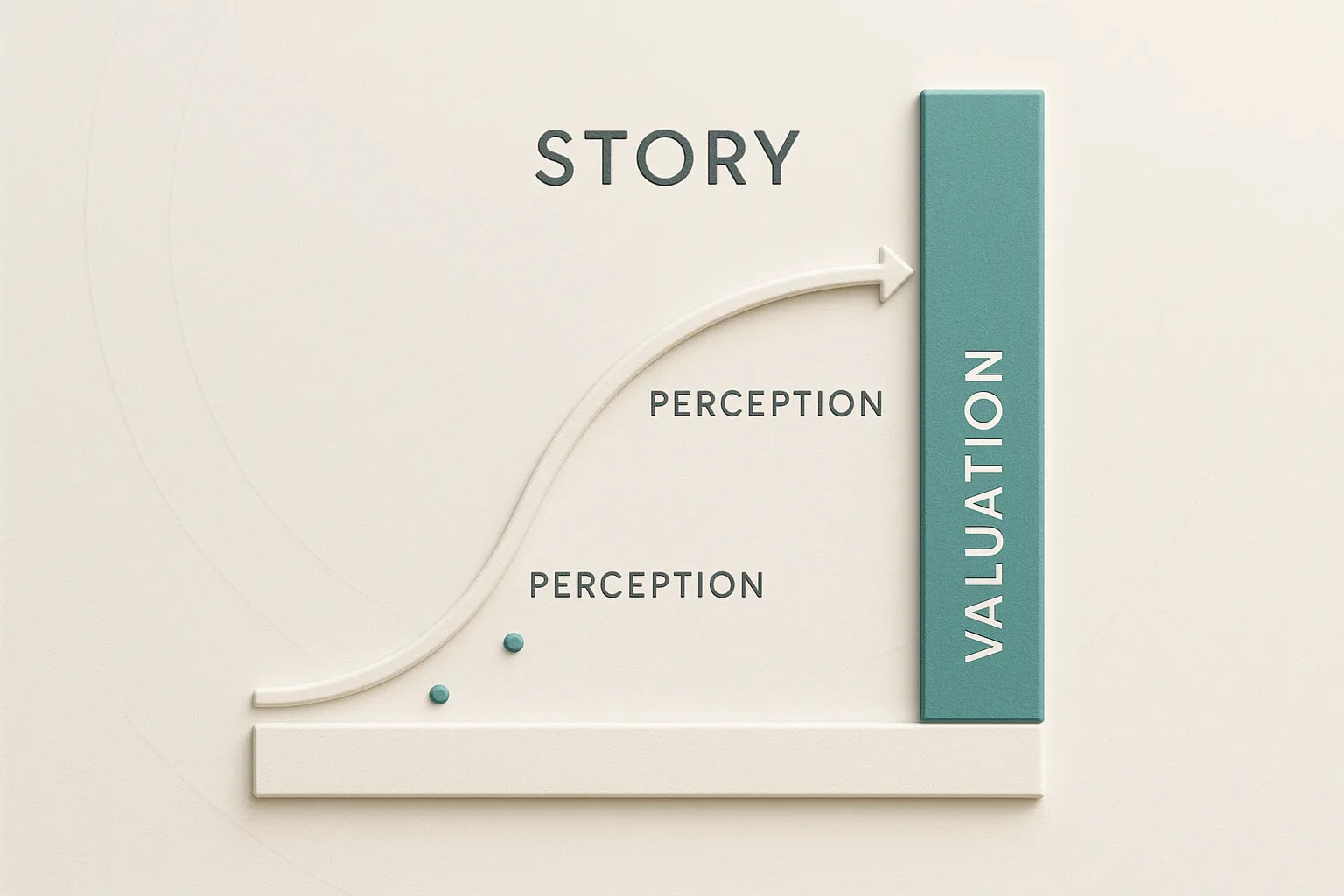
If the proof is weak, the story gets marked down.
Choose the next move
Start with the closest signal
Pick the path that matches what you need to know next.
Put this page to work in the AI tool you already use.
Turn it into a short founder memo.


'%3e%3c/path%3e%3cpath%20d='M20.616%2010.835a14.147%2014.147%200%2001-4.45-3.001%2014.111%2014.111%200%2001-3.678-6.452.503.503%200%2000-.975%200%2014.134%2014.134%200%2001-3.679%206.452%2014.155%2014.155%200%2001-4.45%203.001c-.65.28-1.318.505-2.002.678a.502.502%200%20000%20.975c.684.172%201.35.397%202.002.677a14.147%2014.147%200%20014.45%203.001%2014.112%2014.112%200%20013.679%206.453.502.502%200%2000.975%200c.172-.685.397-1.351.677-2.003a14.145%2014.145%200%20013.001-4.45%2014.113%2014.113%200%20016.453-3.678.503.503%200%20000-.975%2013.245%2013.245%200%2001-2.003-.678z'%20fill='url(%23lobe-icons-gemini-fill-1)'%3e%3c/path%3e%3cpath%20d='M20.616%2010.835a14.147%2014.147%200%2001-4.45-3.001%2014.111%2014.111%200%2001-3.678-6.452.503.503%200%2000-.975%200%2014.134%2014.134%200%2001-3.679%206.452%2014.155%2014.155%200%2001-4.45%203.001c-.65.28-1.318.505-2.002.678a.502.502%200%20000%20.975c.684.172%201.35.397%202.002.677a14.147%2014.147%200%20014.45%203.001%2014.112%2014.112%200%20013.679%206.453.502.502%200%2000.975%200c.172-.685.397-1.351.677-2.003a14.145%2014.145%200%20013.001-4.45%2014.113%2014.113%200%20016.453-3.678.503.503%200%20000-.975%2013.245%2013.245%200%2001-2.003-.678z'%20fill='url(%23lobe-icons-gemini-fill-2)'%3e%3c/path%3e%3cdefs%3e%3clinearGradient%20gradientUnits='userSpaceOnUse'%20id='lobe-icons-gemini-fill-0'%20x1='7'%20x2='11'%20y1='15.5'%20y2='12'%3e%3cstop%20stop-color='%2308B962'%3e%3c/stop%3e%3cstop%20offset='1'%20stop-color='%2308B962'%20stop-opacity='0'%3e%3c/stop%3e%3c/linearGradient%3e%3clinearGradient%20gradientUnits='userSpaceOnUse'%20id='lobe-icons-gemini-fill-1'%20x1='8'%20x2='11.5'%20y1='5.5'%20y2='11'%3e%3cstop%20stop-color='%23F94543'%3e%3c/stop%3e%3cstop%20offset='1'%20stop-color='%23F94543'%20stop-opacity='0'%3e%3c/stop%3e%3c/linearGradient%3e%3clinearGradient%20gradientUnits='userSpaceOnUse'%20id='lobe-icons-gemini-fill-2'%20x1='3.5'%20x2='17.5'%20y1='13.5'%20y2='12'%3e%3cstop%20stop-color='%23FABC12'%3e%3c/stop%3e%3cstop%20offset='.46'%20stop-color='%23FABC12'%20stop-opacity='0'%3e%3c/stop%3e%3c/linearGradient%3e%3c/defs%3e%3c/svg%3e)
